
Friends and Colleagues,
As I look back on the past year, I’m both humbled and proud of all that we’ve accomplished together. Our priorities continue to evolve—not just in operations and policy, but in how we approach the Compact as a vital tool for promoting public safety, accountability, victims’ rights and meaningful outcomes for the individuals and communities we serve.
This year, we focused on giving practitioners the practical resources they need to be effective. From expanding training opportunities to offering hands-on guidance, our efforts are designed to help states fully meet their obligations under the Compact. At the heart of this commitment is a drive for greater consistency, clearer expectations, and a shared understanding of the processes that support our mission.
We also turned our attention to some of the more complex aspects of our responsibilities—such as retaking, retransfer, probable cause hearings, and emerging practices like remote sentencing. By engaging external experts and examining real-world challenges, we’re developing reforms aimed at improving how these procedures function in the field. The goal isn’t change for its own sake, but to ensure our rules and practices promote fair, uniform, and effective outcomes for states, communities, and the individuals under supervision.
Innovation remains central to our progress. The ICOTS rewrite and new dashboard initiatives are moving forward steadily, with an emphasis on equipping states with real-time data and intuitive systems that support smarter, more informed decision-making. These platforms are more than just technology—they’re essential resources for professionals managing cases on the ground every day.
And we are just getting started. In the year ahead, we’ll continue refining our mission in partnership with the Alliance for Community and Justice Innovation (ACJI), advancing our Risk, Needs, and Responsivity (RNR) efforts with experts from the Center for Effective Public Policy, and strengthening our outreach to ensure consistent and responsible implementation of the Compact.
At the end of the day, our success isn’t defined by new systems or revised rules—it’s measured by the impact we create: aligned practices, greater fairness, reduced recidivism, and safer communities. Every step we’ve taken this year has been guided by that purpose.
Thank you for your continued dedication and support. It is a privilege to serve alongside such dedicated peers. The progress we’ve made is a direct result of your collective effort and shared commitment to public safety and community well-being. I’m grateful to be part of this work with you and look forward to what we’ll accomplish together in the year ahead.
With much respect, appreciation, and gratitude,

Mac Pevey (WA)
Chair
Joselyn Lopez (WI)
Vice-Chair
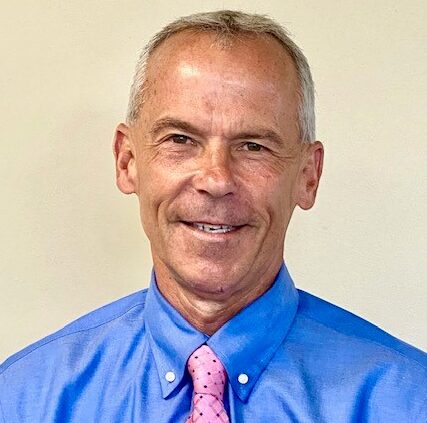
Gary Roberge (CT)
Treasure and Finance Committee Chair
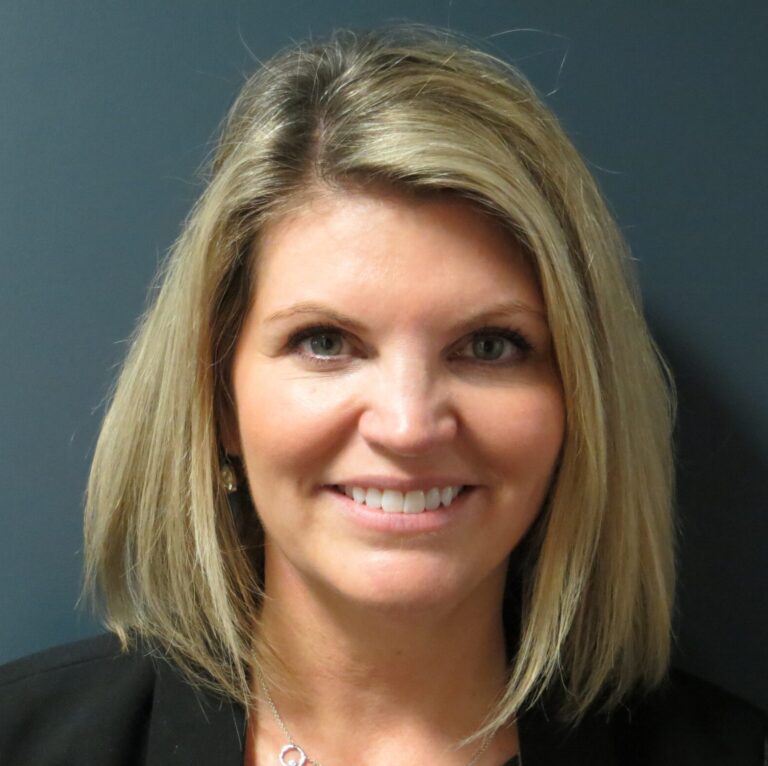
Sally Kreamer (IA)
Compliance Committee Chair

Suzanne Brook (OH)
DCA Liaison Committee Chair

Tracy Hudrlick (MN)
Rules Committee Chair
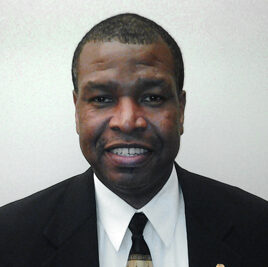
Chris Moore (GA)
Technology Committee Chair
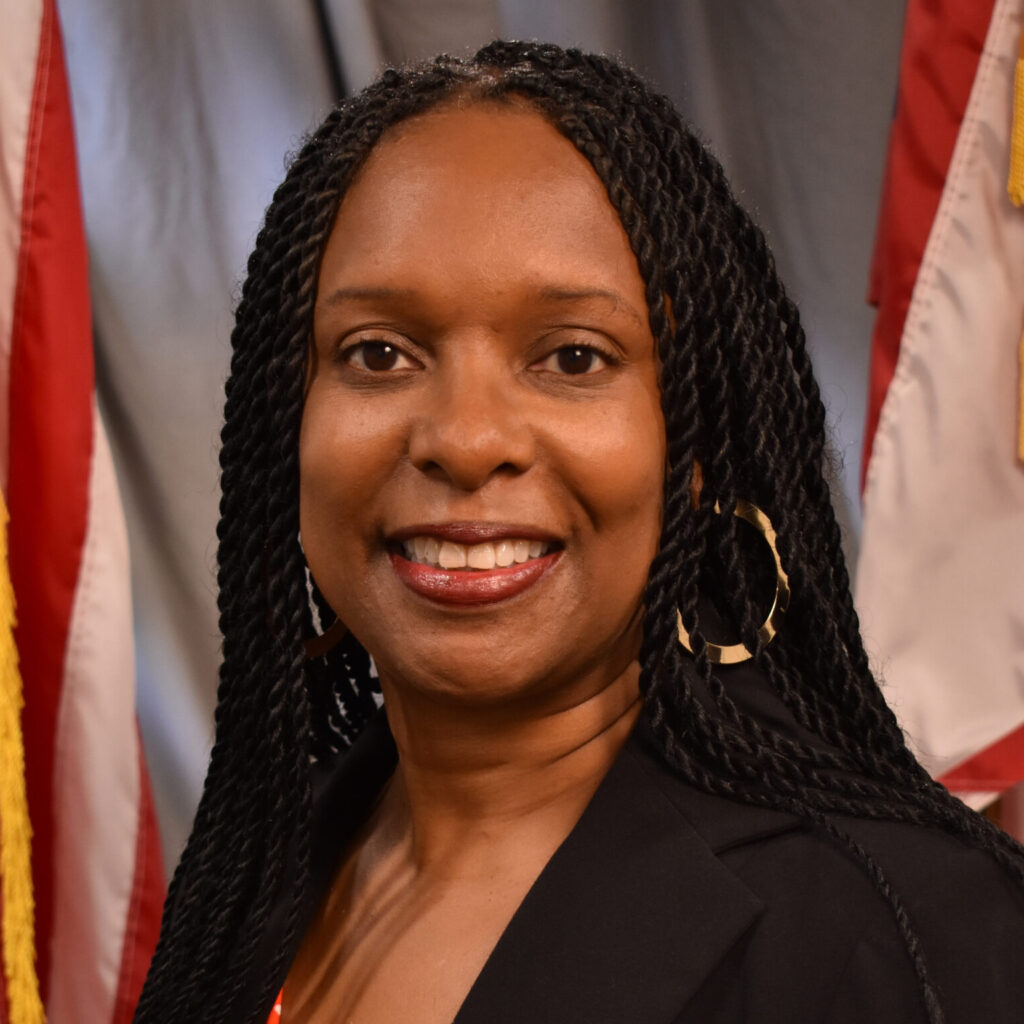
Katrina Ransom (OH)
Training, Education & Public Relations Committee Chair
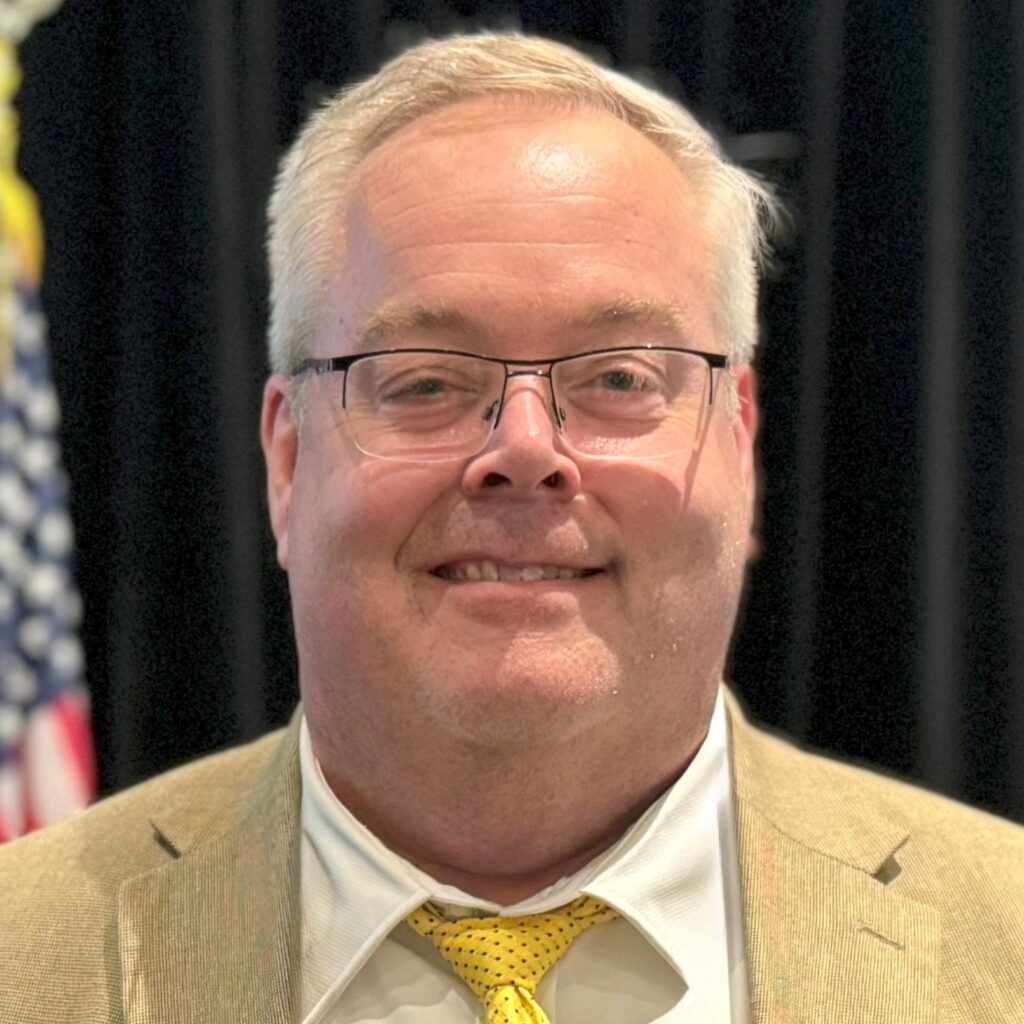
Dale Crook (VT)
East Region Chair
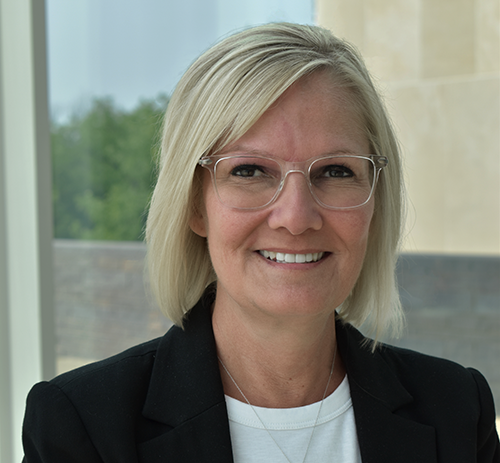
Amy Voracheck (ND)
Midwest Region Chair
Steve Turner (KY)
South Region Chair

Taryn Link (AK)
West Region Chair
John Gillis (NOVA)
National Victims' Representative
Vice Chair
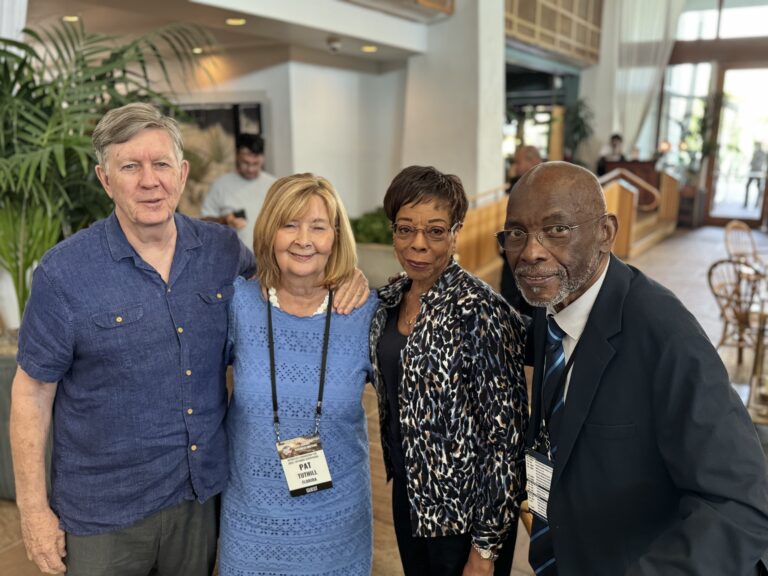
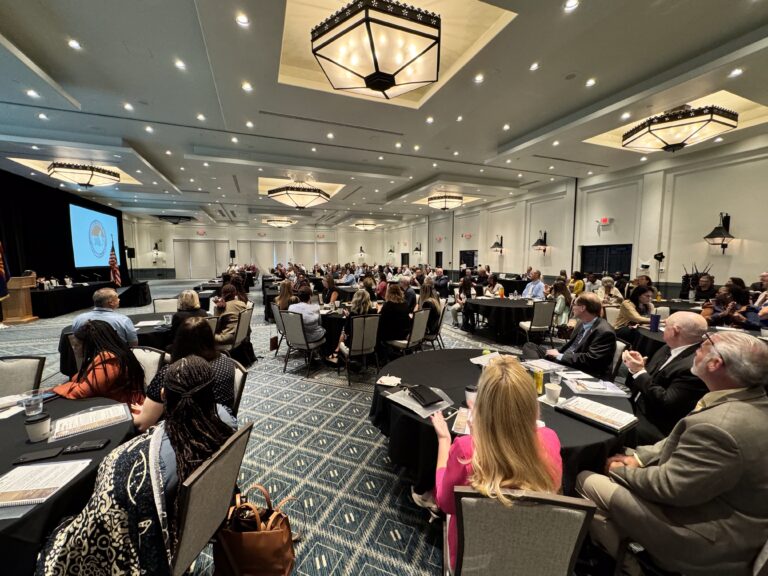
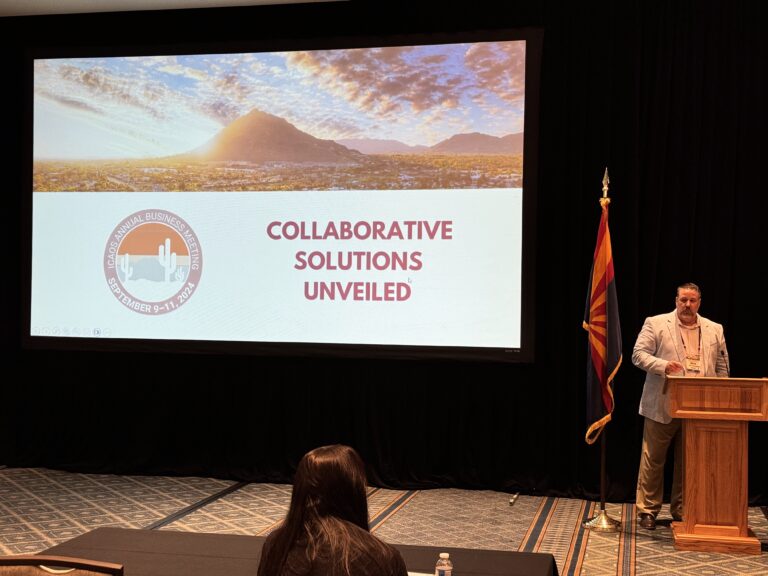
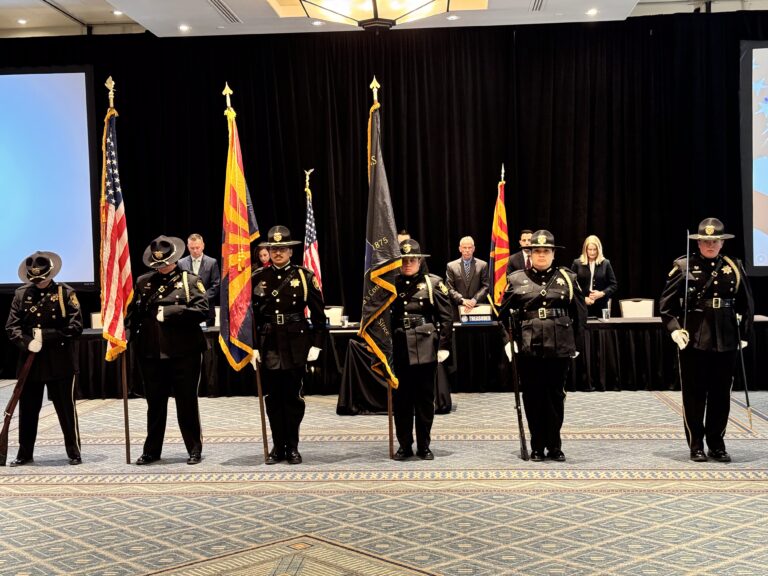
The 2024 Annual Business Meeting (ABM) of the Interstate Commission for Adult Offender Supervision (ICAOS) brought together 146 dedicated professionals from across the nation in Scottsdale, Arizona for a week of purpose-driven connection, strategic planning and innovation in community supervision.
The week kicked off with the Deputy Compact Administrator (DCA) Training Institute, where attendees dove into peer-to-peer learning sessions focused on rule development, governance reform, and best practices for applying ICAOS rules with greater consistency. Through real-world scenarios discussions, participants exchanged effective practices, innovative solutions and elevated their approach for improving interstate supervision.
Arizona Department of Corrections Director Ryan Thornell welcomed attendees delivering a keynote address on “Reimagining Corrections.” His message centered on inclusive leadership, prioritizing staff wellness, and strengthening community partnerships to enhance reentry outcomes and public safety.
Key highlights included:
The general session began on a solemn and reflective note with a moment of silence to honor the victims and heroes of 9/11—an enduring reminder of courage, resilience, and the collective responsibility of public service. This set a powerful tone for the day’s proceedings. Arizona Chief Justice Ann A. Scott Timmer then delivered compelling opening remarks, emphasizing the vital role of state court initiatives in upholding the Commission’s core values of fairness, accountability, and public trust—principles that resonate more deeply in moments of national remembrance. A highlight of the session was a captivating keynote by retired U.S. Navy SEAL Lt. Jason Redman, whose message, “Lead Always, Overcome All,” drew from his extraordinary personal journey of recovery after sustaining critical combat injuries. His story of resilience, sacrifice, and unyielding leadership left a lasting impression, inspiring attendees to approach their roles with renewed determination and strength of purpose.
During the business portion of the meeting, the Commission:

DCA Dennis Clark (ME)

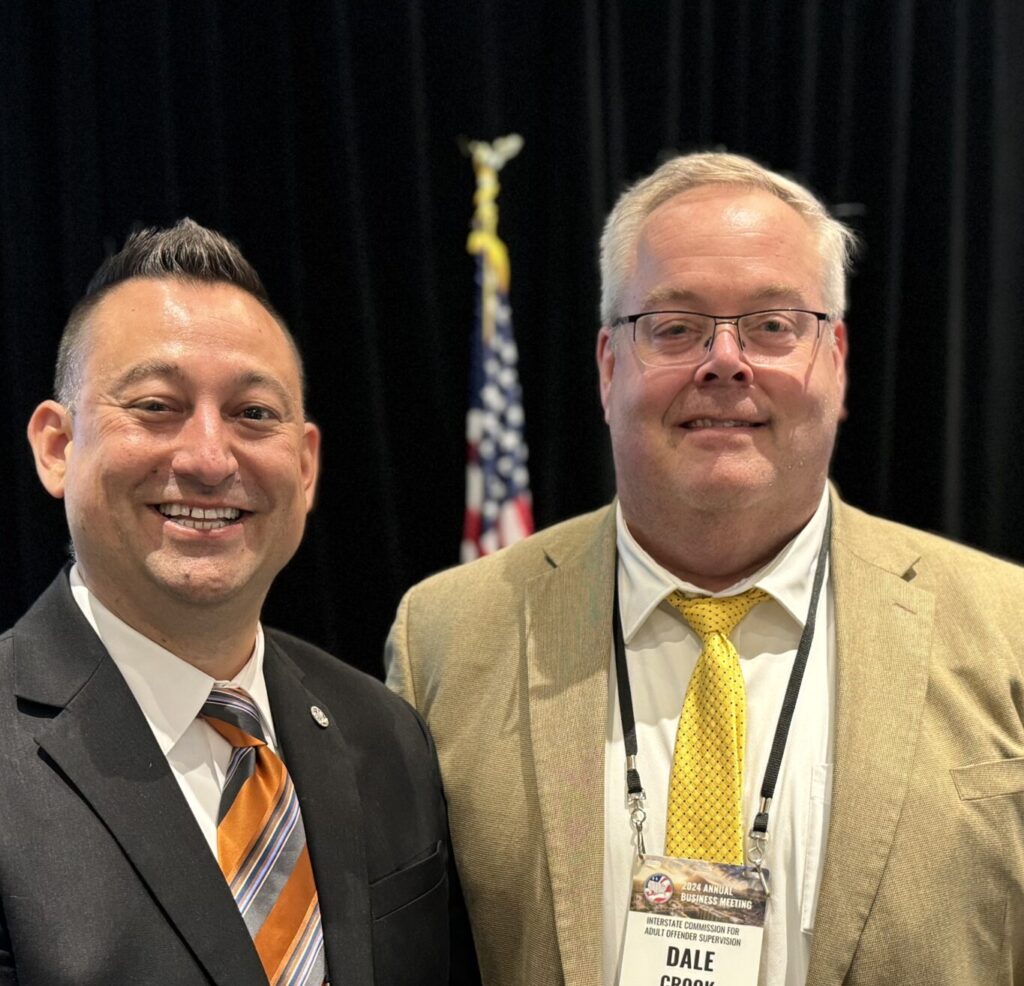
Commissioner Dale Crook (VT)

United States Senator Jon Kyl (AZ)

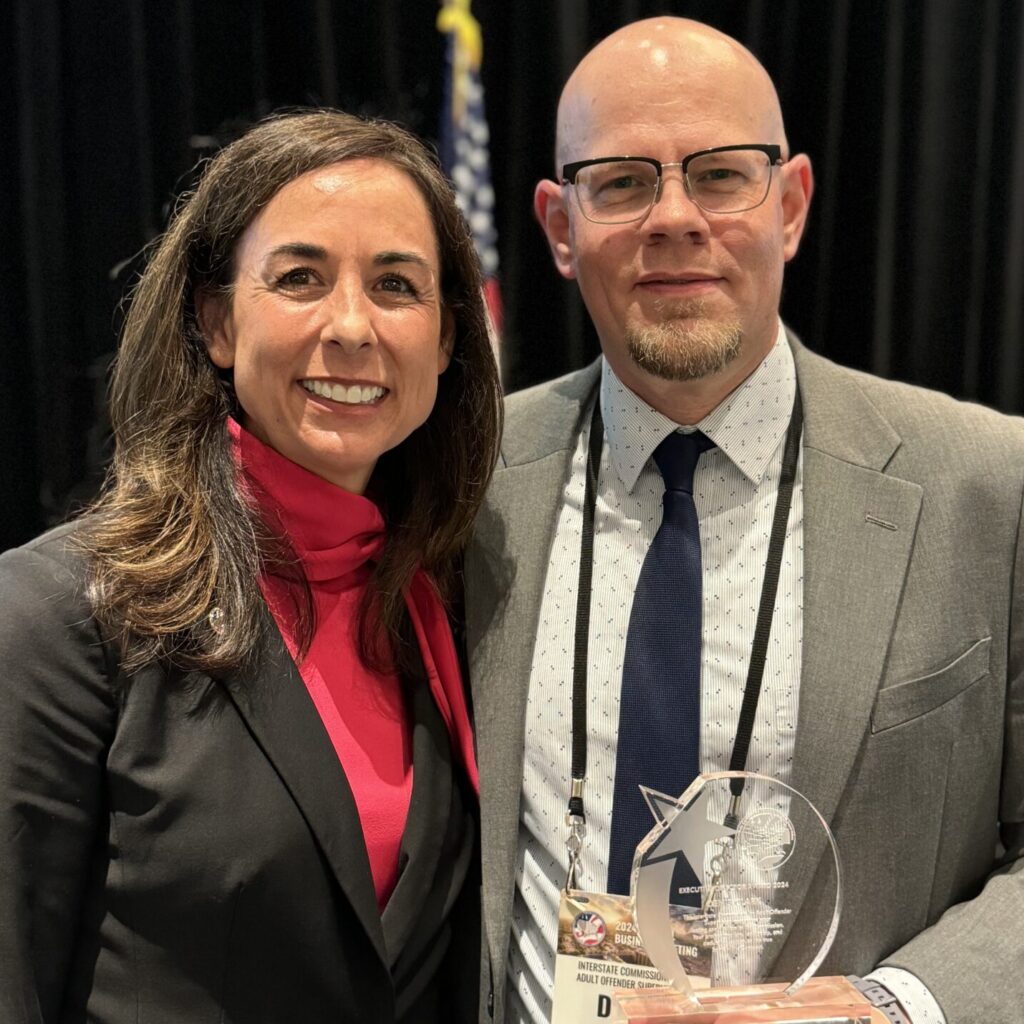
In 2024, the Spirit of the Compact Award saw a powerful resurgence thanks to clearer criteria and renewed outreach, resulting in 13 meaningful nominations. Among them, Florida’s Chris Lane stood out.
With more than 20 years at the Florida Department of Corrections—18 of those in the Interstate Compact Office—Chris has earned deep respect for his compassion, expertise, and dedication to public safety. His nomination, submitted by Commissioner Joe Winkler, reflects a career marked by leadership and life-changing impact.
From helping unhoused individuals under supervision secure shelter and transfer permits, to expediting warrants and tracking down critical documentation, Chris goes far beyond the call of duty. His work not only solves problems—it transforms lives.
Beyond casework, Chris helped reactivate Florida’s long-dormant State Council, leading to initiatives like a Sheriff’s Department reimbursement program that has returned over $640,000 since July 2022.
To field staff, Chris is more than an expert—he’s a trusted partner. As one colleague put it: “When we think of Interstate Compact, we think of Chris Lane.”
Congratulations, Chris, and thank you for setting the standard for what the Spirit of the Compact truly means.
This year, the Commission leaned into some of the most pressing issues in interstate supervision: navigating differences in state practices, protecting due process, and advancing reforms that make our work more consistent and fair. Through the dedication of the Compliance Committee, RNR Workgroup, and Rules Committee, we combined data, research, and the voices of our members to better understand where gaps exist and how to close them. From developing practical tools to guide retaking decisions, to clarifying rules that safeguard individual rights, to exploring how virtual hearings can deliver both efficiency and justice, these efforts share a common purpose: building a Compact that works better for everyone—states, communities, and the individuals we supervise.
That journey begins with transparency and accountability—the foundation for every fair and consistent process. As Compliance Committee Chair Sally Kreamer outlines in Compliance in Action, the Commission’s recent assessment work revealed both the scope of the challenge and the opportunity to bring greater unity to our approach.
Chair, Compliance Committe
As Chair of the Compliance Committee, I’m proud of the progress we’ve made to promote accountability and consistency across the Compact. This year, we focused on one of the most complex challenges in interstate supervision: the wide variation in how states approach supervision and retaking decisions.
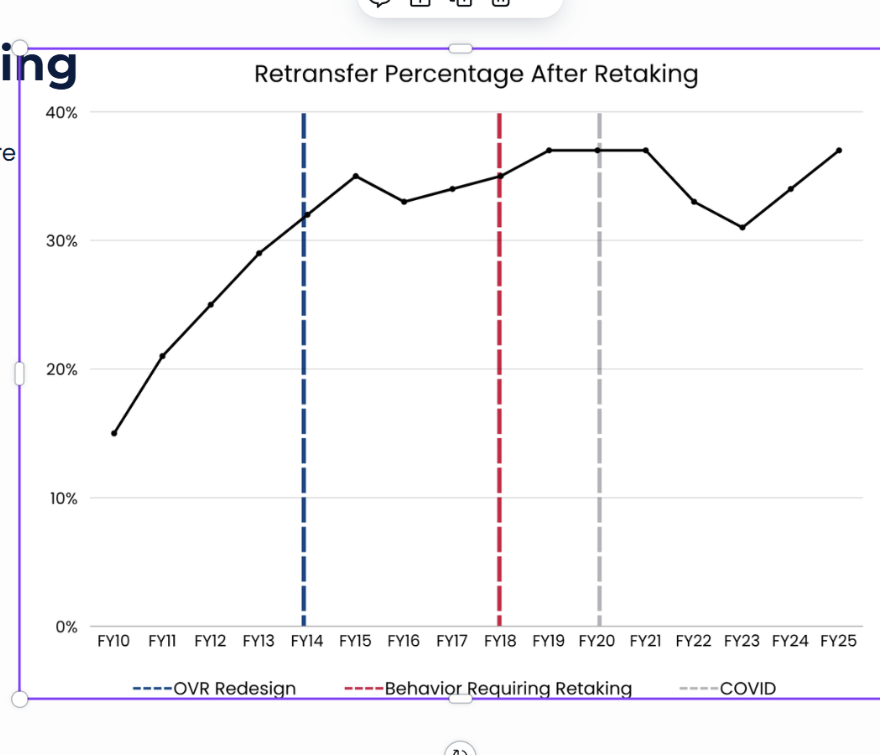
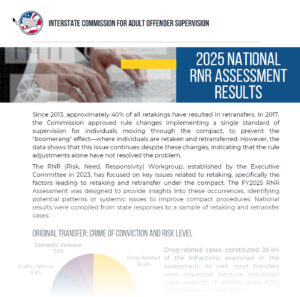
In collaboration with the RNR Workgroup, we conducted a national assessment that revealed key inconsistencies—especially around due process and documentation. Many individuals retaken and shortly after re-transferred were receiving state residents who had not been afforded a probable cause hearing for technical violations. That raised real concerns.
Our findings show the need for clearer communication, better documentation, and a more consistent, transparent process. These improvements protect the rights of supervised individuals and strengthen the integrity of the Compact.
Chair, RNR Workgroup Chair
As data-driven strategies increasingly guide criminal justice practices, the Commission continues to evaluate and update its policies to reflect best practices. A key challenge is managing violations and retaking, where inconsistent approaches and inflexible rules can undermine stability for supervised individuals and strain public safety resources.
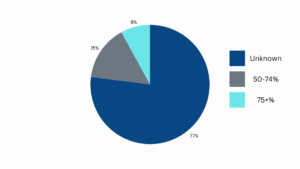
As Chair of the RNR Workgroup, I’ve seen firsthand how much progress we’ve made—and how far we still need to go. Retaking remains one of the most complex and inconsistent areas of Compact practice. Despite efforts going back over a decade, many individuals are still being returned unnecessarily—often with stable housing, jobs, and support in place.
Recent assessment data confirmed the challenge:
That’s why the RNR Workgroup, with support from the Executive Committee, has been working to bring more consistency, fairness, and accountability to retaking decisions. With grant funding and support from the Community Supervision Resource Center and the Center for Effective Public Policy (CEPP,) we’re developing a practical, research-informed decision-making tool grounded in the Risk-Need-Responsivity model.
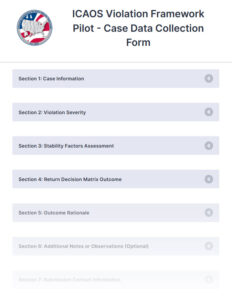
The tool uses a framework to match risk and violation severity with a recommended response—whether it’s presumptive retaking, conditional return, or continued supervision. It also prompts officers to consider stabilizing factors like housing, treatment needs, support or employment, helping ensure decisions reflect both individual circumstances and public safety goals.
Ultimately, this work is about more than a tool—it’s about building a smarter, fairer system that supports behavior change and long-term success.
This inconsistency can lead to:
Chair, Rules Committee
This year the Rules Committee members engaged in thoughtful, forward-looking work to strengthen the Compact’s legal framework—especially in the areas of due process and the growing use of virtual hearings.
A key focus in FY 2025, also shared by the Compliance Committee and RNR Workgroup, is ensuring individuals under supervision aren’t removed from their communities without a clear and substantiated basis. To that end, we’re proposing an important clarification: defining revocation as the formal termination of supervision—distinct from sanctioning with continued supervision, which some states interpret differently. This distinction matters. It helps protect individual rights and reduces the risk of premature or unjustified retaking actions.
Supporting this, proposed revisions to Rules 5.103-1 and 5.108 would require a timely finding of probable cause before retaking is initiated when revocation is a potential outcome. These changes are designed to reinforce fairness while preserving the legal integrity of the Compact.
We’re also responding to the rise of virtual hearings by proposing an amendment to Rule 5.101-2 to expand its scope and establish standardized procedures for using remote hearings to address violations. While virtual proceedings offer practical benefits—lower costs, faster resolutions, and fewer disruptions to rehabilitation—there’s still a lack of clarity around when and how they should be applied.
To better understand these issues, the Rules Committee requested a national roundtable of DCAs, which was held in June. The discussion surfaced common challenges, including documentation delays, inconsistent practices across states, and compliance concerns. Importantly, DCAs also emphasized the efficiencies and accessibility that virtual hearings can provide when implemented effectively.
These conversations are helping us determine what additional guidance might be needed—such as a legal whitepaper, Benchbook updates, and practical guides—to ensure states can apply these changes consistently and confidently.
As the justice system continues to evolve, so must we. These proposed rule changes reflect our commitment to fairness, accountability, and due process—no matter the format or forum.

Recommended ICAOS:

At the recommendation of both the Compliance Committee and RNR Workgroup.
Both survey and forum spotlighted differing:
Executive Committee approves the violation decision-making framework project.
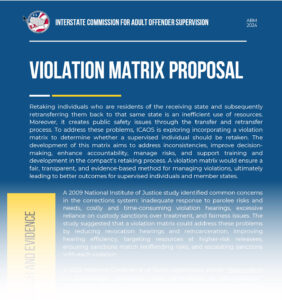
RNR Workgroup begins drafting rule changes for the violation framework project with experts from the Center for Effective Public Policy.
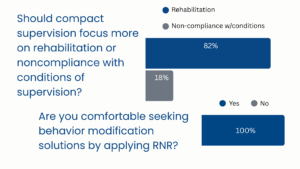
Results indicate support to establish probable cause before retaking absconders apprehended in the receiving state (53%) and those subject to retaking for technical violations (83%.)
CEPP’s guidance on aligning retaking practices with long-term public safety helped:
Executive Committee encourages states to:
Proposals intend to improve clarity, enhance procedural fairness, and promote better resource allocation while maintaining public safety and compliance.
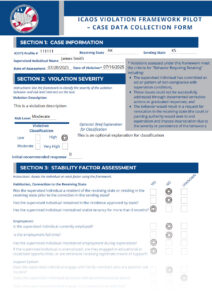
Select pilot states from each region will pilot the violation framework providing real-time feedback.
Recommendations for implementing the violation decision framework to be submitted for comment and Commission approval at the 2026 ABM.
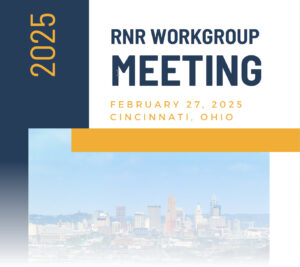
2026 ABM in Minneapolis, MN.


Commissioner
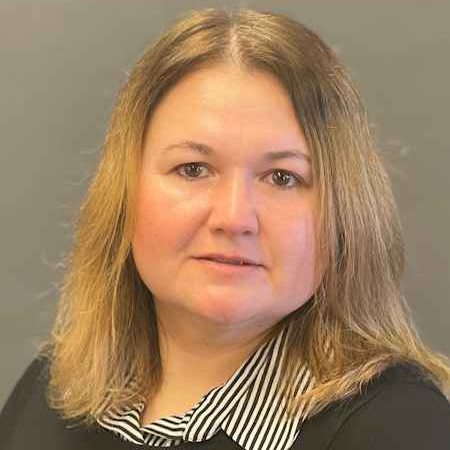
Deputy Compact Administrator
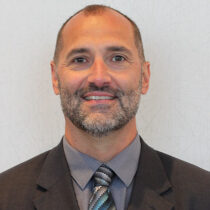
Deputy Compact Administrator
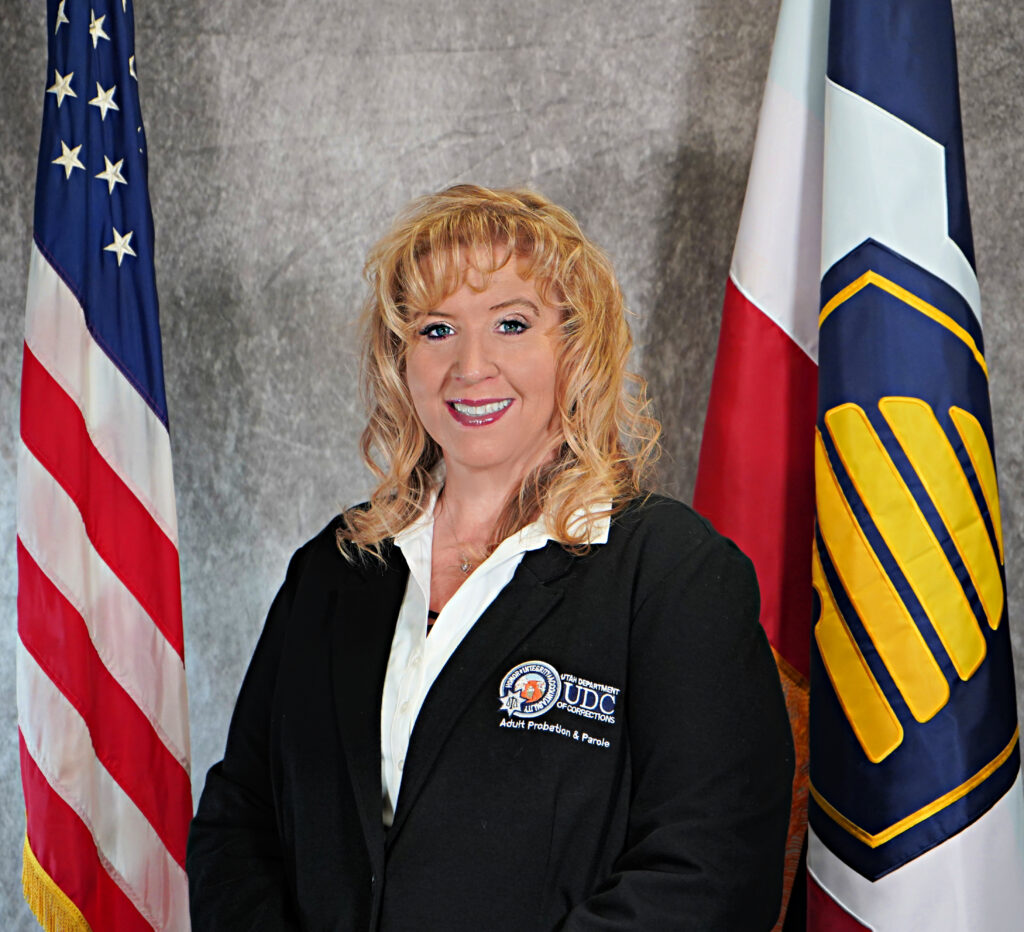
Deputy Compact Administrator

ICOTS/INSITE Project Manager
When ICOTS launched back in 2008, it truly changed the game. For the first time, states could manage supervision transfers with real-time communication, centralized documentation, and standardized workflows. It was a major leap forward—and one that has served the Compact well for over 15 years.
But technology moves fast. While ICOTS has seen functional updates over the years, its core architecture and interface haven’t fundamentally changed. It’s stable, yes—but increasingly limited in its ability to meet the demands of today’s supervision needs.
That’s why I’m excited to share that the Commission took a major step forward at the 2024 Annual Business Meeting by approving a capital assessment to fund a full system replacement. The new platform INSITE Interstate National System for Information, Tracking, and Enforcement reflects the Commission’s mission and commitment for smarter more effective supervision. INSITE is expected to be launched Summer of 2026.
Since kicking off the project in January 2025, our team at the national office has partnered closely with Optimum Technologies and a regional JAD (Joint Application Design) group to define the user interface requirements. This design phase will result in a cleaner layout, better navigation, and a much-improved user experience. Phase 3, development of the new more secure and flexible platform, begins in August 2025.
Thank you to everyone contributing their time, ideas, and support to bring this vision to life. I look forward to sharing more as we continue the work ahead.
Image Accordion Content Goes Here! Click edit button to change this text.
The $1.2 million investment to build INSITE is expected to generate long-term savings, including an estimated $450,000 reduction in hosting and maintenance costs over six years.
Launched in the fall of 2024, the new more user friendly reports delivered an immediate $20,000 in savings, with projected long-term reductions of nearly $30,000 annually.
Chair, Training, Education, and Public Relations Committee
This year, the Training Committee focused on one clear goal: making the Compact easier to understand and apply for everyone involved. We’ve made meaningful progress by creating and updating tools that turn complex rules into practical, user-friendly guidance.
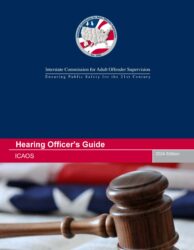
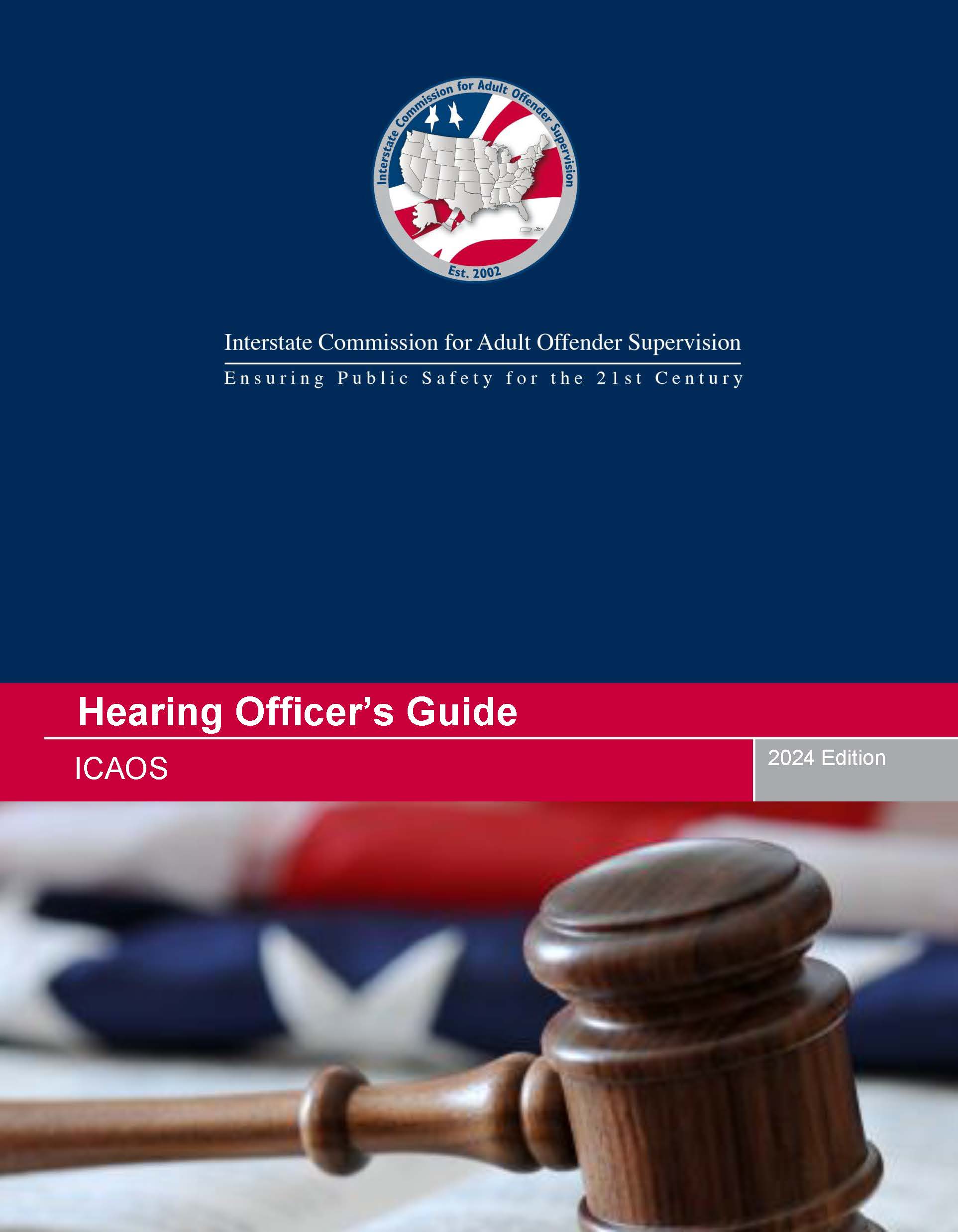
One of our key updates was to the Hearing Officers’ Guide, now expanded with new content and a helpful FAQ section. These additions address common questions and clarify due process standards in retaking cases—helping hearing officers and compact offices navigate their responsibilities with confidence and consistency.
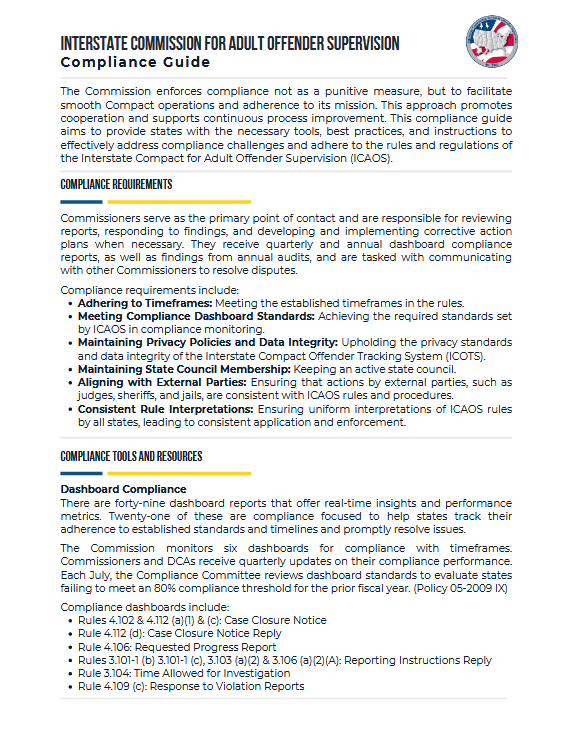
We also introduced a brand-new Compliance Guide for Commissioners, which premiered at the 2024 Annual Business Meeting. This guide was designed specifically to support Commissioners in understanding their role in promoting compliance. It outlines expectations, walks through procedures, and offers proactive strategies states can adopt to build a strong culture of accountability.
Together, these two guides support a larger mission—equipping our stakeholders with the resources they need to apply the Compact’s rules effectively, improve supervision outcomes, and strengthen collaboration between states.
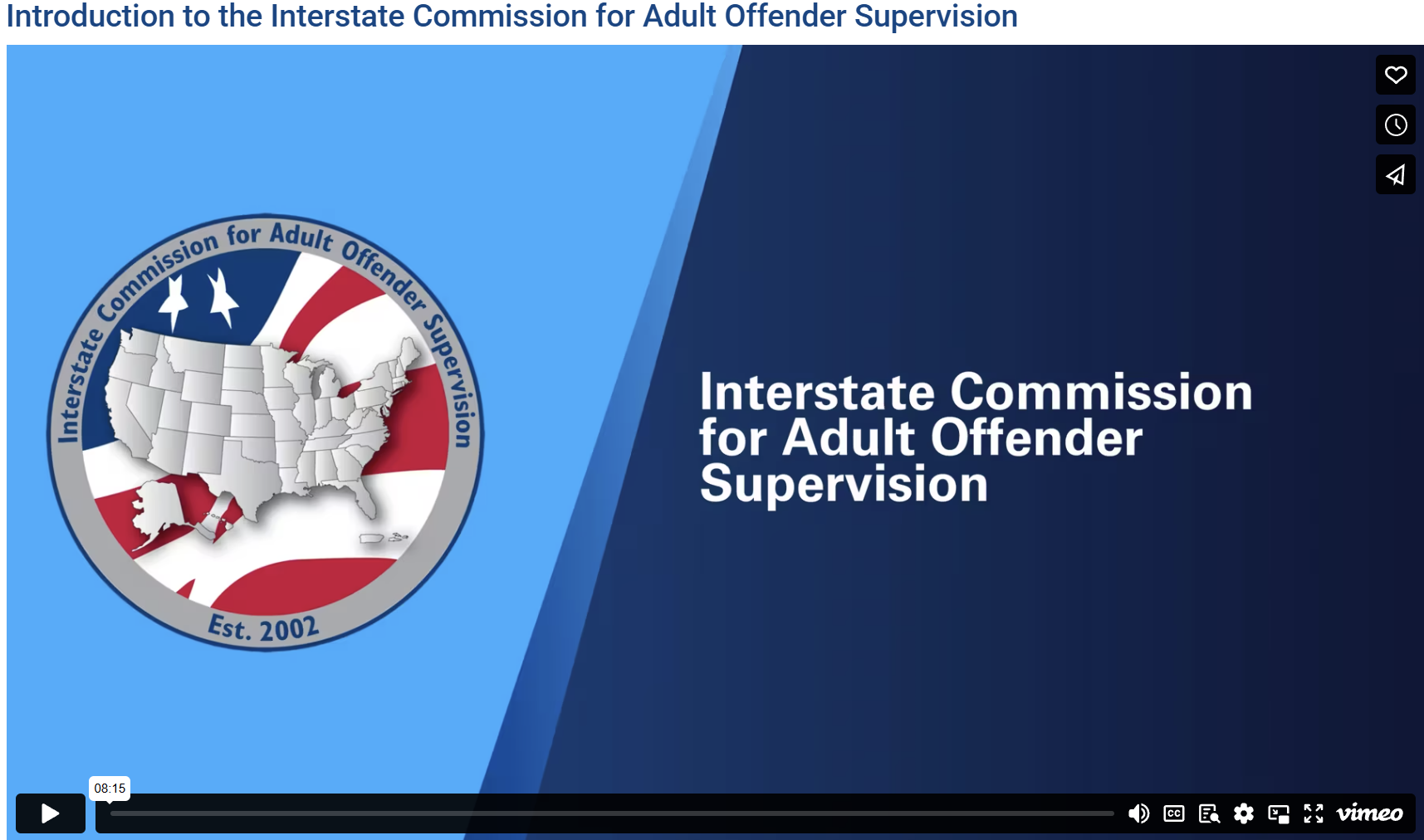
We also created a new introductory video that walks viewers through the Compact’s purpose, process, and impact. It covers everything from the history and mission of ICAOS to the 60,000+ transfers processed each year and the systems in place to manage them. It’s a quick, accessible overview for anyone who wants to understand how the Compact works and why it matters.
The video, along with our growing library of resources—like the bench book, quick reference guides, and our updated website—ensures that our stakeholders have the tools they need at their fingertips.
These efforts are part of a long-term investment in education, awareness, and accessibility. By continuing to build high-quality training resources, we’re making it easier for states to work together, stay compliant, and ultimately, support better outcomes for the individuals we serve.
Since launching in January, our intro video has been watched by audiences nationwide.
This year, the ICAOS Hearing Officer Guide has reached users across the nation.
This year, the ICAOS Quick Reference Guide has been a trusted resource for users across the country.
Every year, the Commission steps beyond policy to connect directly with justice professionals nationwide—through conferences, forums, podcasts, and peer mentoring. These moments create space for real conversations, stronger relationships, and better outcomes.
In FY25, ICAOS engaged at national conferences hosted by the American Probation and Parole Association, Association of Paroling Authorities International, and American Correctional Association. Sessions highlighted Commission and state-led initiatives, from improving retaking processes to refining retransfer policies, all aimed at strengthening Compact operations.
At ACA’s Winter Conference, the Commission debuted the trailer for The Road Home, a documentary offering a powerful human view of interstate transfer. The film underscored the essential role professionals play in successful transitions—and why this work matters beyond policy.
Whether sharing best practices or sparking dialogue on tough topics, these touchpoints keep the Compact’s mission moving forward, one conversation at a time.
In a featured episode of I’ll Allow It, Nevada, a podcast produced by the Supreme Court of Nevada, ICAOS Executive Director Ashley Lippert shared how the Compact supports fair and consistent supervision across states. She encouraged courts to engage early with their state’s compact office and highlighted key resources like the bench book, training videos, and quick guides.
Director Lippert also discussed the Compact’s “single standard of supervision” and The Road Home documentary, which brings the Compact’s real-world impact to life. Nevada judges and court staff can earn CLE/CJE credit by listening—making the episode both informative and practical
[Unable to get view data as this is available in many different sites, including NV bar we don’t have access to]
Outgoing Chair, DCA Liaison Committee
Recently transitioning from my role as Chair of the DCA Liaison Committee, I want to take a moment to reflect on the continued growth and strength of our DCA community. Deputy Compact Administrators are the engine behind the Compact—ensuring effective supervision, promoting public safety, and keeping operations running smoothly across state lines. It has been a privilege to help support and elevate this work.
In FY 2025, the committee introduced a new co-chair structure designed to broaden regional leadership and deepen engagement. With two DCA representatives from each region now serving as co-chairs, we’re better positioned to lead meetings, welcome new DCAs, and facilitate meaningful peer discussion. This transition builds on the momentum from last year’s DCA Success Program and coincided with the conclusion of several regional chair terms in June 2025.
I’m especially grateful to my fellow outgoing chairs—Tim Strickland (FL), Mark Patterson (OR), and Denis Clarke (ME)—for their partnership and contributions. I’d also like to thank Simona Hammond (IA), who stepped in to continue the work of the committee after I moved into my new role at the national office. And I’m excited to welcome Holly Kassube (IL), newly appointed to serve as Midwest co-chair through 2026.
The current regional co-chairs are:
Looking ahead, I’m confident this expanded leadership model will continue to strengthen our efforts, amplify DCA voices, and support the important work each of you does every day. Together, these initiatives underscore a simple truth: when DCAs thrive, the Compact thrives. By investing in leadership, improving systems, and keeping the lines of communication open, we’re building a stronger, more connected Compact community—one conversation, one training, and one success story at a time.
FY25 DCA Liaison Committee Initiatives
Now in its second year, the DCA Success Program continues to grow, offering group mentoring and coaching that encourages peer learning, open discussion, and collaboration. Moving away from the overly formal mentoring models of the past, this approach helps participants build technical skills, strengthen leadership capabilities, and support their teams and stakeholders more effectively.
This year’s theme focused on the “three C’s” of DCA success: collaboration, clear communication, and confidence. Participants took a deep dive into the 2025 Rule Proposals, practicing how to provide meaningful feedback during the public comment period. They also tackled real-world scenarios, worked through tough conversations, and discovered how shared challenges can lead to shared solutions.
Participation is open to DCAs through a simple application process each fall, right after the Annual Business Meeting.
The DCA Dashboard Program continues to evolve to meet the needs of our data-driven world. During the November 2024 session, DCAs explored the transition from Tableau to a new, more user-friendly dashboard platform. The feedback was overwhelmingly positive—93% of attendees found the training informative, and most said the new system was easier to use and navigate.
The June 2025 session helped states prepare for the FY 2026 audit and the rollout of INSITE. This training focused on improving ICOTS and ICAOS dashboard user role management across states.
The DCA Open Forums have become a powerful space for DCAs to connect, exchange ideas, and address the practical side of Compact work. These informal conversations have proven invaluable in highlighting gaps, inconsistencies of rule interpretations, sharing solutions, and even shaping training materials for broader Commission initiatives.
This year, the forums covered a range of hot topics, including alternative and deferred sentencing and virtual hearings—the latter held at the request of the ICAOS Rules Committee. Discussions brought to light common needs around documentation, policy updates, internal training, transparency, and stronger interstate communication.
DATA
At conclusion of FY25:
Number of Active Warrants=14,507 (8,210 NCIC Verified)
Number of Sex Offender under supervision=10,593 (9.2% of total Supervised Individuals)
AI bot
Ashley Lippert, Executive Director, alippert@interstatecompact.org, 859.721.1050
Mindy Spring, Operations Manager, mspring@interstatecompact.org, 859.721.1054
Xavier Donnelly, MBA, ICOTS/INSITE Project Manager, xdonnelly@interstatecompact.org, 859.721.1053
Suzanne Brooks, Education & Implementation Manager, sbrooks@interstatecompact.org, 859.721.1052
Drake Greeott, Web Development Manager, dgreeott@interstatecompact.org, 859.721.1055
Barno Saturday, Logistics & Administrative Coordinator, bsaturday@interstatecompact.org, 859.721.1056